


GETS
ALS?

ALS is a disorder that affects the function of nerves and muscles. Based on U.S. population studies, a little over 5,600 people in the U.S. are diagnosed with ALS each year. (That’s 15 new cases a day.) It is estimated that as many as 30,000 Americans have the disease at any given time.
Every 90 minutes, someone is diagnosed with the disease, and someone passes away from it.
Most people who develop ALS are between the ages of 40 and 70, with an average age of 55 at the time of diagnosis. However, cases of the disease do occur in people in their twenties and thirties.
ALS is 20% more common in men than women. However, with increasing age, the incidence of ALS is more equal between men and women.
About 90% of ALS cases occur without any known family history or genetic cause. The remaining 10% of ALS cases are inherited through a mutated gene with a known connection to the disease.
For unknown reasons, military veterans are more likely to be diagnosed with the disease than the general public.
Half of all people affected with ALS live at least three or more years after diagnosis. Twenty percent live five years or more; up to ten percent will live more than ten years.
There is some evidence that people with ALS are living longer, at least partially due to clinical management interventions, riluzole and possibly other compounds and drugs under investigation.
ALS is a disorder that affects the function of nerves and muscles. Based on U.S. population studies, a little over 5,600 people in the U.S. are diagnosed with ALS each year. (That’s 15 new cases a day.) It is estimated that as many as 30,000 Americans have the disease at any given time.
Every 90 minutes, someone is diagnosed with the disease, and someone passes away from it.
Most people who develop ALS are between the ages of 40 and 70, with an average age of 55 at the time of diagnosis. However, cases of the disease do occur in people in their twenties and thirties.
ALS is 20% more common in men than women. However, with increasing age, the incidence of ALS is more equal between men and women.
About 90% of ALS cases occur without any known family history or genetic cause. The remaining 10% of ALS cases are inherited through a mutated gene with a known connection to the disease.
For unknown reasons, military veterans are more likely to be diagnosed with the disease than the general public.
Half of all people affected with ALS live at least three or more years after diagnosis. Twenty percent live five years or more; up to ten percent will live more than ten years.
There is some evidence that people with ALS are living longer, at least partially due to clinical management interventions, riluzole and possibly other compounds and drugs under investigation.
Notable individuals who have been diagnosed with ALS include:
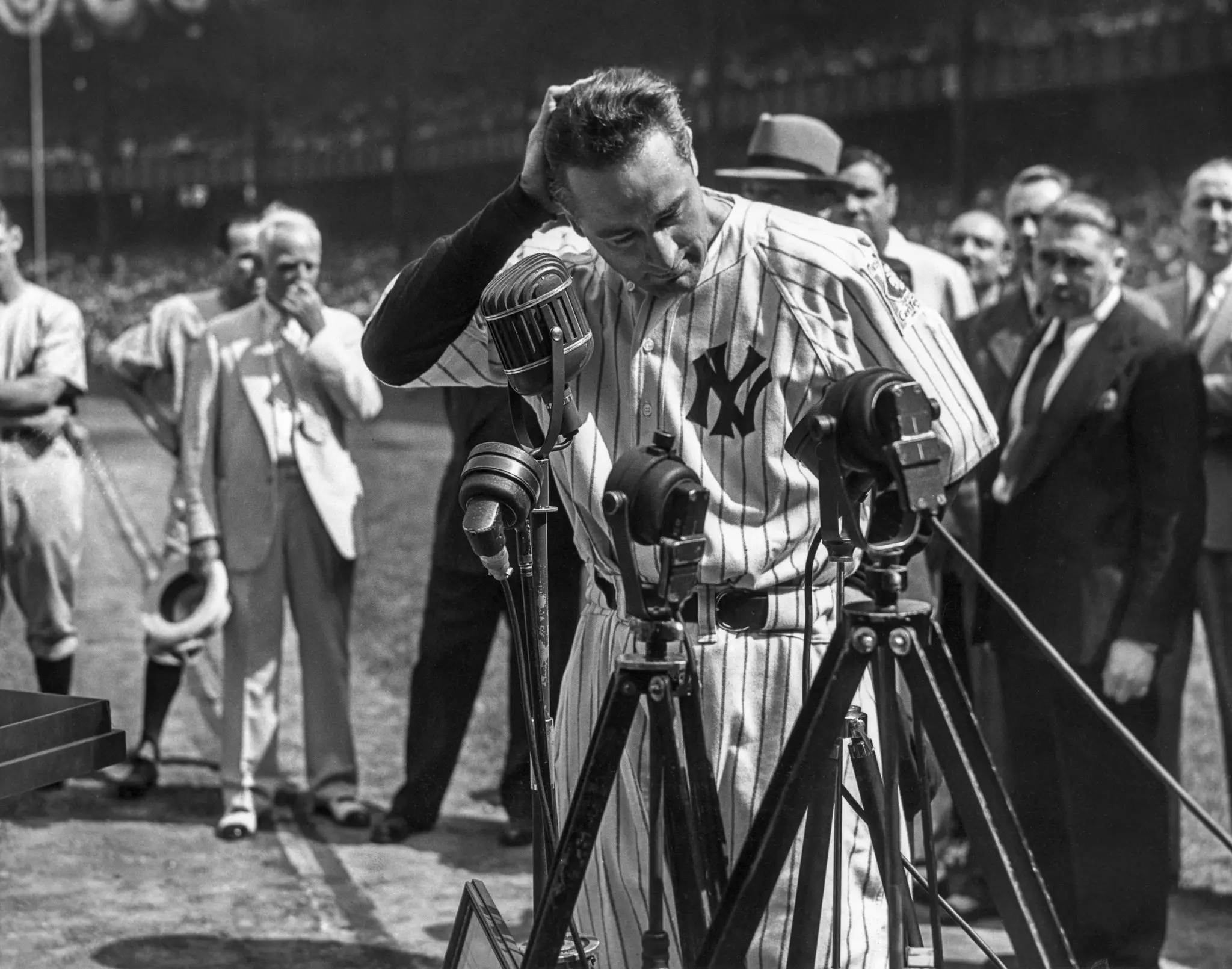
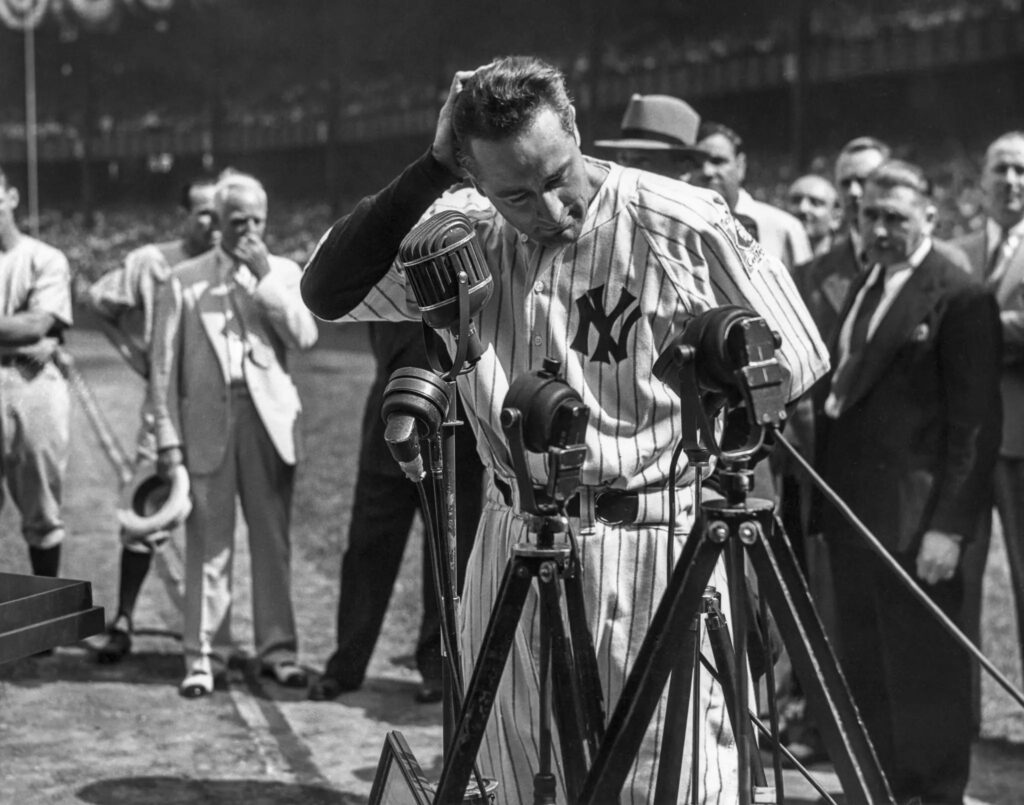
- Baseball great Lou Gehrig
- Theoretical physicist, cosmologist and author Stephen Hawking
- Hall of Fame pitcher Jim “Catfish” Hunter
- U.S. Senator Jacob Javits
- Actor David Niven
- “SpongeBob SquarePants” creator Stephen Hillenburg
- “Sesame Street” creator Jon Stone
- Jazz musician Charles Mingus
- Singer/songwriter Kim Shattuck (The Muffs)
- Bassist Mike Porcaro (Toto)
- Musician Huddie Ledbetter (Lead Belly)
- Theatre producer Jenifer Estess
- Boxing champion Ezzard Charles
- NBA Hall of Fame basketball player George Yardley
- Golf caddie Bruce Edwards
- Photographer Eddie Adams
- Entertainer Dennis Day
- Former U.S. Vice President Henry A. Wallace
- U.S. Army General Maxwell Taylor
- NFL football player Steve Gleason
- NFL football player O.J. Brigance
- NFL football player Tim Shaw

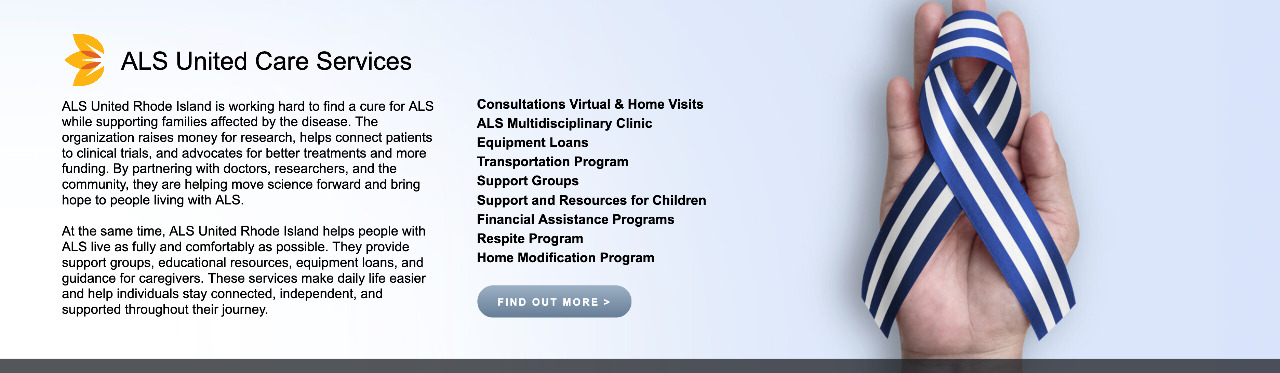
Register with us to access free, personalized services—available to all individuals living with ALS, regardless of insurance coverage or immigration status.
Once registered, you’ll meet with our Care Services Team, who will work closely with you to identify your current needs and plan for future support. Research shows that people with ALS who receive comprehensive, individualized care often experience a significantly improved quality of life.
For more information, email

people in the US diagnosed per year
of cases have no genetic cause
age range most people develop ALS